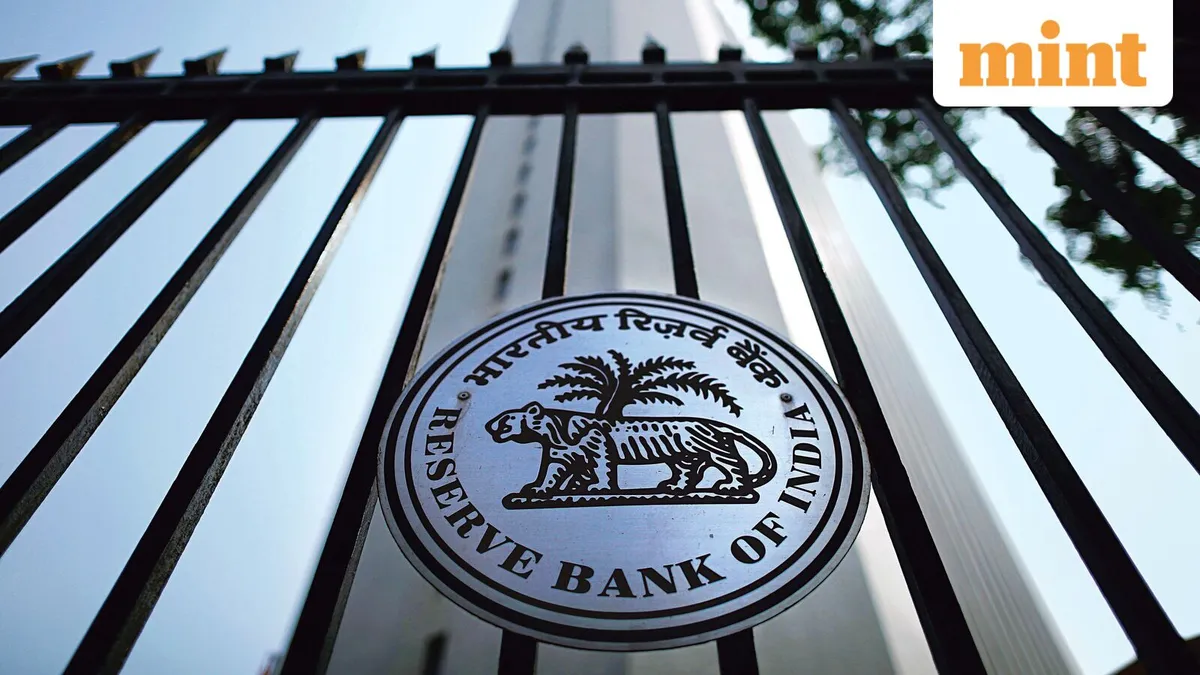
RBI Holds Interest Rates as Middle East Conflict Adds to Growth and Inflation Risks
The Reserve Bank of India kept its benchmark interest rate unchanged as the ongoing Middle East conflict introduced fresh uncertainty around both economic growth and inflation, keeping the central bank in a cautious stance.

What happened
The Reserve Bank of India's monetary policy committee decided to hold its benchmark interest rate unchanged at its latest meeting, according to Reuters. The decision comes as the conflict in the Middle East has introduced a new layer of risk for India's economic outlook. The central bank cited the dual uncertainty — the conflict's potential to push up oil prices and therefore inflation, alongside its possible drag on global growth and trade — as reasons for maintaining its current stance.
India is a major oil importer, which means any sustained rise in oil prices driven by Middle East tensions would increase the country's import bill, widen the current account deficit and put upward pressure on inflation. At the same time, a broader slowdown in global growth would dampen demand for Indian exports and potentially reduce foreign capital inflows.
Why it matters for Indian investors
The RBI's rate decision directly influences borrowing costs across the Indian economy. When rates remain on hold, it means EMI costs for home loans, car loans and business credit stay at current levels. For equity investors, a rate hold is typically neutral to mildly positive — it avoids the contractionary signal of a hike while keeping the prospect of future cuts on the table if conditions improve.
The Middle East factor is relevant because India's inflation trajectory is closely tied to crude oil prices. If geopolitical tensions ease and oil stabilises or falls, the RBI would have more room to consider a rate cut, which is widely anticipated by bond and equity markets. If tensions escalate, the probability of near-term cuts diminishes.
What to watch
The trajectory of crude oil prices is the single most important variable for the RBI's next rate decision. Market participants will also monitor India's inflation data, particularly core inflation, and global growth signals from major economies. The RBI governor's post-meeting communication will be parsed for any change in language around the inflation outlook or the timing of a potential rate cut.
Source: Google News report(opens in a new tab), published .
This story was written in our own words by the Finduniya News Desk from the facts in that report, with the help of an AI writing tool. The wording is ours; the original reporting belongs to the publisher.